Textile Untangled: Why Designers Hold 80% of Fashion's Power | HALVES
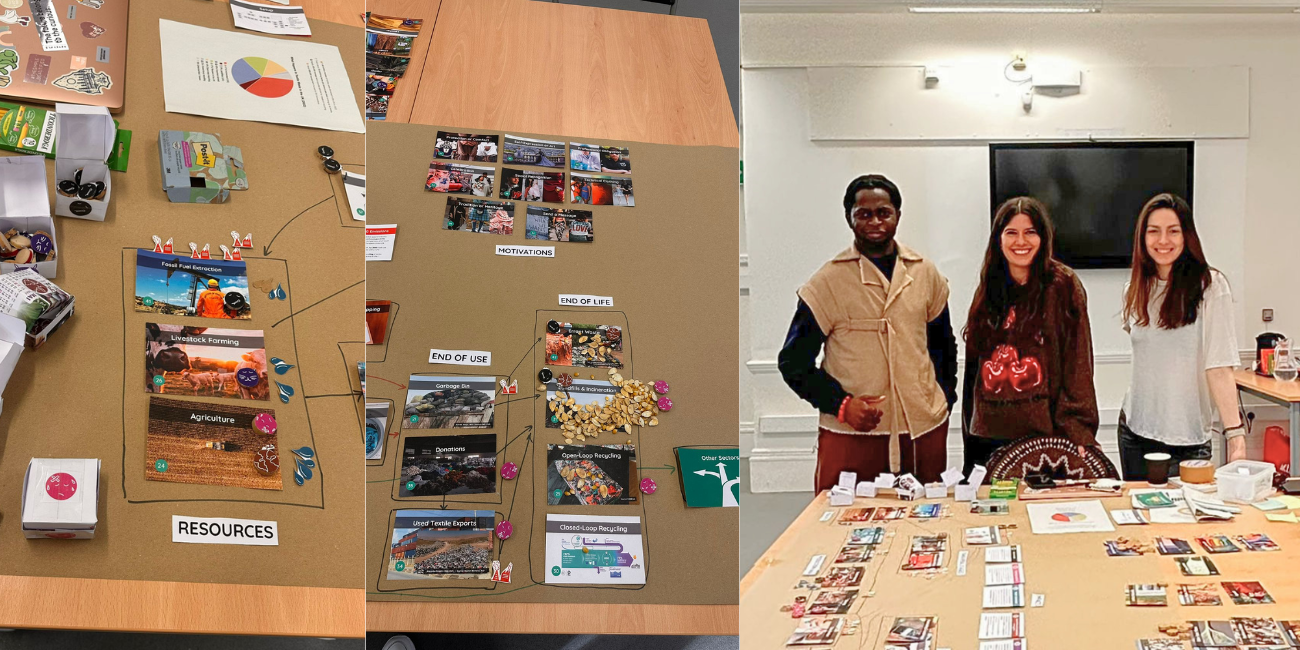
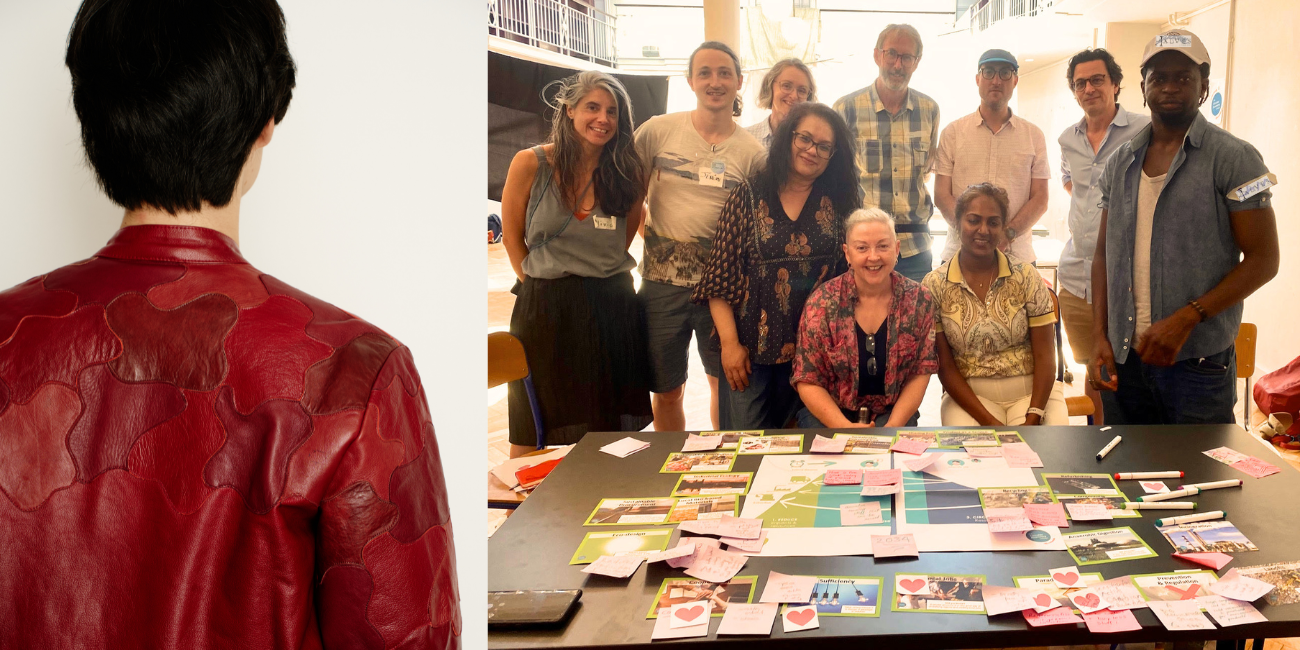
About a fortnight ago at HALVES, we took our fashion education endeavours up a notch by partaking in the Future Citizen programme, a collaboration between Sustainable Fashion Week and Green Doughnut that brought the Textile Untangled workshop to the West Library in Islington.
This was not your typical sustainability seminar. It was a hands-on, in-person exploration of textile materials and their sources, carefully mapping the entire fashion industry ecosystem from raw resources to garment end-of-life. Every touchpoint mattered: Resources, Production Chain, Transversal Stages, Impacts, Incentives, Motivation, End-of-Use, and End-of-Life were all dissected with the precision this industry desperately needs.
The Role of Designers in the Fashion Ecosystem
Here is the reality: designers hold the most influential position in fashion's environmental equation. While they are often subject to market trends and commercial pressures, research consistently shows that up to 80% of a product's environmental and social impacts are locked in at the design stage.
Every decision a designer makes, including product aesthetics, manufacturing processes, material selection, distribution methods, use patterns, end-of-use scenarios, and end-of-life possibilities, ripples through the entire supply chain. When you consider that an estimated 300 million workers are employed across the global fashion industry, and that 80% of Europe's textile consumption impacts occur outside Europe, the designer becomes remarkably powerful.
Garments are created for protection, comfort, celebration, social recognition, tradition, professional obligations, technical performance, messaging, and artistic self-expression. But here is what the workshop made clear: all textile materials originate from just three sources - animals, plants, and fossil fuels. These raw materials are transformed into natural, artificial, and synthetic fibres, each with a distinct environmental footprint.
The workshop facilitator walked us through eco-design principles and material choices that determine production locations, transportation costs, reusability potential, and recyclability options. When you realize that 350,000 tonnes of clothing worth approximately £140 million go to landfill in the UK annually, the urgency of getting design decisions right becomes undeniable.
What We Learned
With the aid of a qualified facilitator, informative cards, and genuinely stimulating conversations, these critical factors were dissected at the Textile Untangled workshop. The session confirmed what we have been advocating at HALVES: sustainable fashion is not just about using organic materials, it's about systemic thinking from conception to decomposition.
The Future Citizen programme, piloted successfully in 2025 and now expanding across London, represents the kind of educational infrastructure fashion needs. It is not enough to design beautiful garments; designers must understand the lifecycle implications of every choice.
Before You Buy: Questions That Matter
Since we are all stakeholders in this ecosystem, here are essential questions to ask before any purchase:
What need does it fulfil? Do I need it now, or can it wait?
Where was it made, and under what conditions?
What materials were used, and what's their environmental cost?
Can it be repaired, reused, or recycled at end-of-life?
Special thanks to the facilitator, Sustainable Fashion Week, Green Doughnut, Islington Council, LIFT, West Library, London Metropolitan University SBC, and all attendees who made this workshop a genuine learning experience rather than performative sustainability theatre.
Together, we are untangling the complexity, one textile at a time.
Recent Posts
Upcycling Must Become Design, Not Sympathy

Public Service Announcement

EFWA Collaboration