

The Transparency Revolution: Luxury Fashion's New Competitive Edge
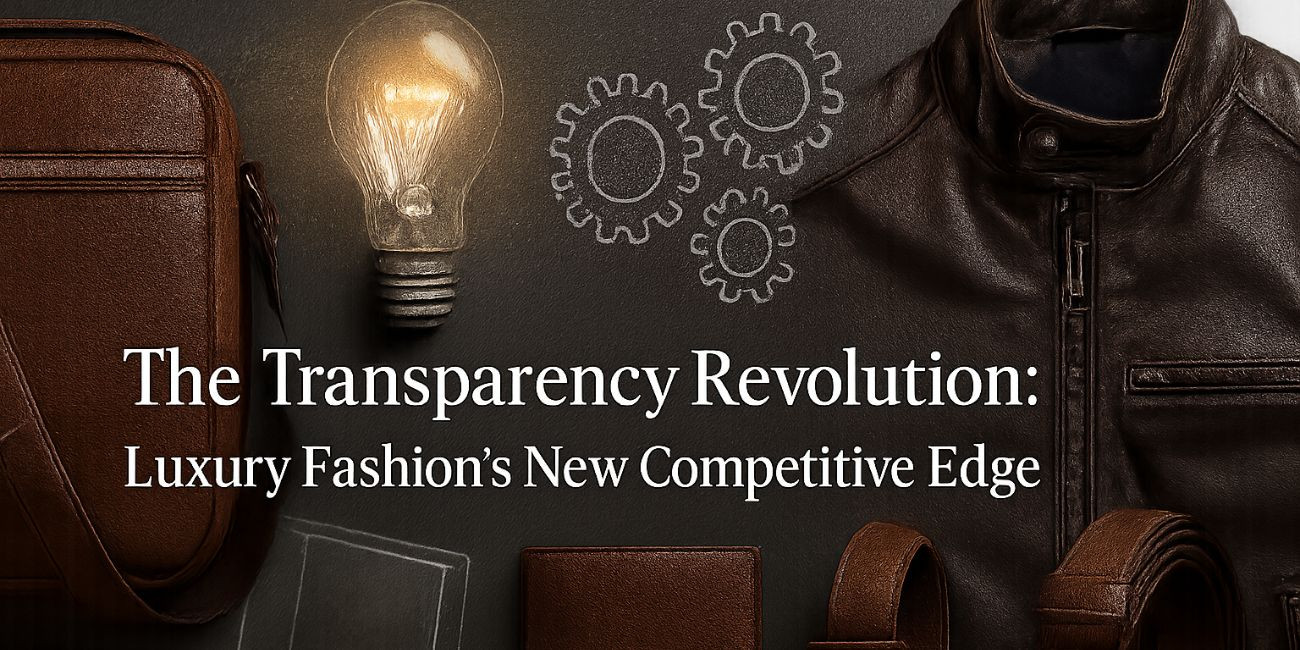
The UK luxury fashion sector,
estimated to be £5.8 billion, faces a fundamental shift in consumer
expectations. It is no longer about protecting trade secrets or maintaining
mystique around production processes, as today's discerning customers increasingly
prioritise verifiable ethical practices alongside traditional markers of
quality and heritage.
Comprehensive Ethical
Production Frameworks
Progressive luxury brands
are implementing detailed ethical production systems that extend far beyond
compliance requirements. This is achieved in various ways, including:
•
Complete Supply Chain Visibility
•
Measurable Ethical Standards
•
Independent Verification Systems
• Digital Transparency Solutions
• Multi-Stakeholder Engagement
•
Transparent Crisis Management
The Consumer-Driven
Business Case
Comprehensive
transparency programmes for luxury brands demonstrate a clear, measurable
competitive advantage. The data reveals a fundamental shift in luxury consumer
priorities:
•
51% are willing to pay 10% extra for sustainable luxury goods
•
87% of consumers believe brands should disclose supply chain
information
•
Over 60% of Gen Z consumers expect brands’ disclosure and transparency
These are not just
metrics, but business performance indicators highlighting a generational shift.
Representing 45% of global luxury spending, Millennials and Gen Z are rewriting
the rules of the luxury niche, projected to account for 70% of luxury purchases
by the end of this year, 2025.
Building Genuine Consumer
Trust
Leading brands
participate in sector-wide collaborations to enhance transparency initiatives,
as modern luxury consumers, particularly those driving over 60% of sector
growth, prioritise verifiable ethical practices over traditional prestige
markers.
Strategic implementation
of the transparency toolkit includes:
•
Real-time supply chain tracking through blockchain technology
•
QR code authentication linking products to complete production histories
•
Digital dashboards offering consumers live production facility monitoring
• Third-party verification through
recognised bodies like Fair Trade and WRAP
The Competitive Reality
While brands report
significant value premiums from transparency initiatives, the industry
benchmark reveals a stark reality, as the average Fashion Transparency Index
score is only 26% across major brands Fashion Revolution transparency index.
This gap represents an unprecedented
opportunity, with immediate actions delivering measurable results:
•
Complete supply chain mapping from raw materials to final delivery
•
Living wage commitments with transparent reporting standards
•
Consumer-facing verification systems with instant access to production data
Setting Tomorrow's
Standards
Supply chain transparency
has moved from a corporate social responsibility initiative to a core business
strategy, with market dynamics demonstrating that transparency leaders capture
disproportionate market share while those resisting face declining consumer
confidence and reduced market access.
With comprehensive ethical production frameworks becoming the new competitive battleground, the future of the luxury fashion industry belongs to brands that recognise transparency as their most powerful competitive differentiator in an increasingly conscious marketplace
Recent Posts


Upcycling Must Become Design, Not Sympathy

Public Service Announcement




EFWA Collaboration