


Rethinking Fashion Through Systems: Why Circularity Begins Long Before Recycling
Fashion has become
remarkably good at redesigning products while leaving the systems that produce
them largely untouched. For much of the past decade, the industry's
sustainability conversation has centred on material innovation, emissions
reduction, ethical sourcing and, perhaps most visibly, recycling. While each
remains important, they often respond to the consequences of a system rather
than questioning the system that created those consequences in the first place.
The Circular Economy
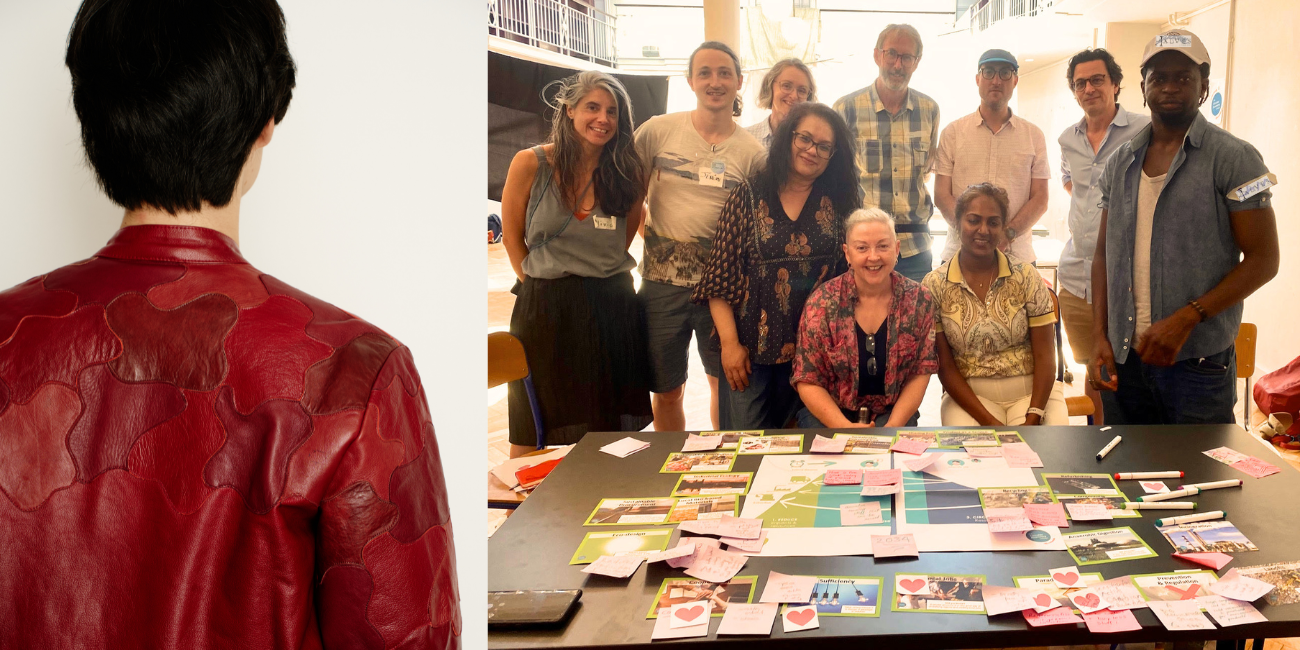
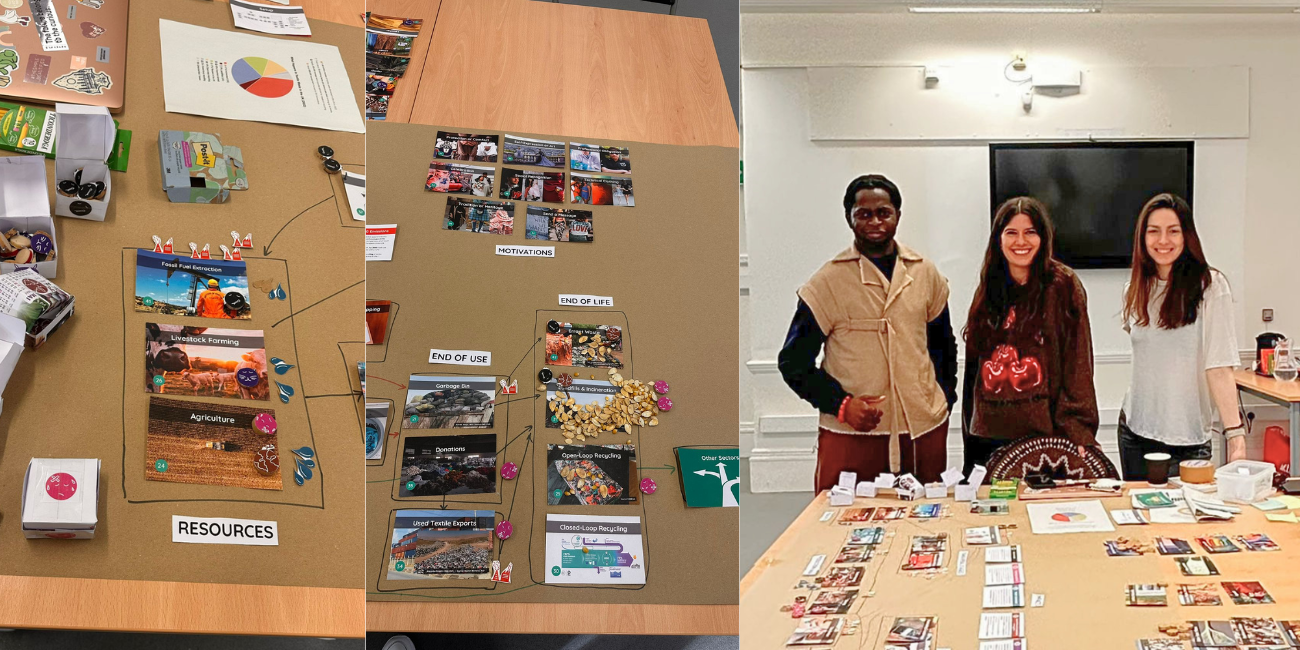
Collage, an interactive systems-thinking framework, illustrates this
distinction with remarkable clarity. Rather than positioning recycling as the
centrepiece of circularity, it deliberately places it near the end of a much
broader hierarchy. Before materials are recovered, products must first be
intelligently designed, responsibly produced, maintained, repaired, shared,
reused and refurbished.
This reframing reflects a
broader transformation taking place across fashion. The Ellen MacArthur
Foundation continues to advocate redesigning the fashion system rather than
improving waste management alone. The European Union's Ecodesign for
Sustainable Products Regulation and Digital Product Passport framework are
embedding durability, repairability and transparency into future product
requirements, while the British Fashion Council's adoption of sustainability
requirements signals that environmental performance is increasingly becoming
part of product development and strategic decision-making rather than
post-production reporting.
For fashion, this
represents more than regulatory evolution; it signals a commercial one.
Luxury has historically
derived its value from scarcity. Increasingly, however, it is deriving value
from craftsmanship, continuity and traceability. Garments capable of being
repaired, adapted, resold and reworked retain commercial and cultural relevance
long after their initial purchase. At the same time, business models built
around repair services, resale platforms, and rentals are redefining ownership
and extending product value beyond the first transaction. McKinsey's ‘State of
Fashion 2026’ identifies circular business models as an area of renewed
strategic interest, reflecting a wider industry recognition that resilience and
profitability increasingly depend upon extending value rather than accelerating
replacement.
The Circular Economy
Collage reinforces another important lesson often overlooked within fashion.
Circularity is not achieved through a single intervention but through the
interaction of many. Sustainable procurement influences material choices.
Industrial ecology reshapes manufacturing relationships. Product-as-a-service
challenges ownership, while maintenance and repair preserve value before
recycling is ever considered. Together, these interventions demonstrate that
circularity is fundamentally a systems challenge, not simply a materials
challenge.
Once fashion is
understood as a system rather than a sequence of products, the role of the
designer inevitably changes. Designers no longer specify garments alone; they
shape the relationships between resources, manufacturing, business models,
consumers and recovery. Design therefore evolves beyond aesthetics and
functionality into a form of governance, where creative decisions carry
environmental, commercial and cultural consequences that extend across an
entire product lifecycle. In this context, craftsmanship is no longer measured
solely by how something is made, but by how intelligently its lifecycle has
been orchestrated.
Fashion's next chapter
will not be written by brands that simply incorporate circularity into existing
business models. It will be shaped by those prepared to redesign the
assumptions on which those models were built. The industry's greatest
innovation may therefore not be a new fibre, a breakthrough material, or a more
efficient manufacturing technology, but a more intelligent way of thinking.
When design begins with stewardship rather than extraction, circularity ceases to be a sustainability strategy and becomes a natural consequence of intelligent design. Fashion's enduring legacy will not be measured by how many garments it produces, but by how few systems it leaves broken behind.
Recent Posts
Upcycling Must Become Design, Not Sympathy

Public Service Announcement



EFWA Collaboration