
Upcycling Must Become Design, Not Sympathy
Fashion has spent too long applauding upcycling for being responsible while quietly excusing it from being exceptional. That era is ending.
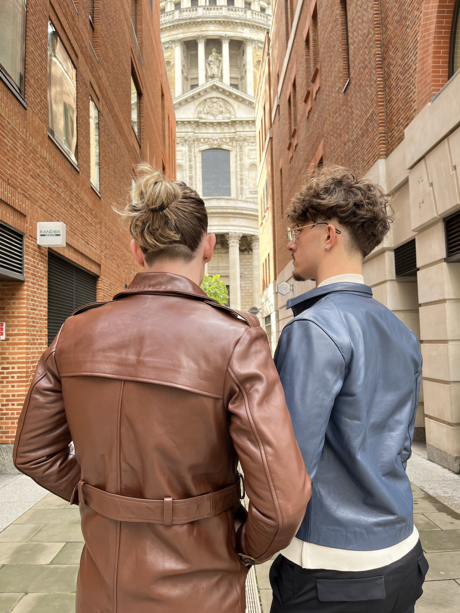
For years, upcycling occupied fashion’s moral category rather than its aspirational one, as the industry celebrated intention even when execution lacked refinement. Reclaimed garments often existed within a predictable visual territory: excessive patchwork, chaotic reconstruction, and performative imperfection.
However, circular fashion is no longer a decorative side conversation. The Ellen MacArthur Foundation has consistently framed circularity as a systems-level redesign of fashion, while the British Fashion Council and UKFT’s Circular Fashion Innovation Network continue positioning circular models as practical pathways for the UK fashion and textile industry. McKinsey’s State of Fashion 2026 also signals renewed industry interest in circular business models as brands search for operational value, differentiation, and consumer relevance.
As luxury enters a period increasingly shaped by traceability, scarcity, and material consciousness, the conversation around upcycling is shifting away from virtue and toward value. The question is no longer whether reclaimed fashion is ethical, but whether it is desirable enough to compete culturally.
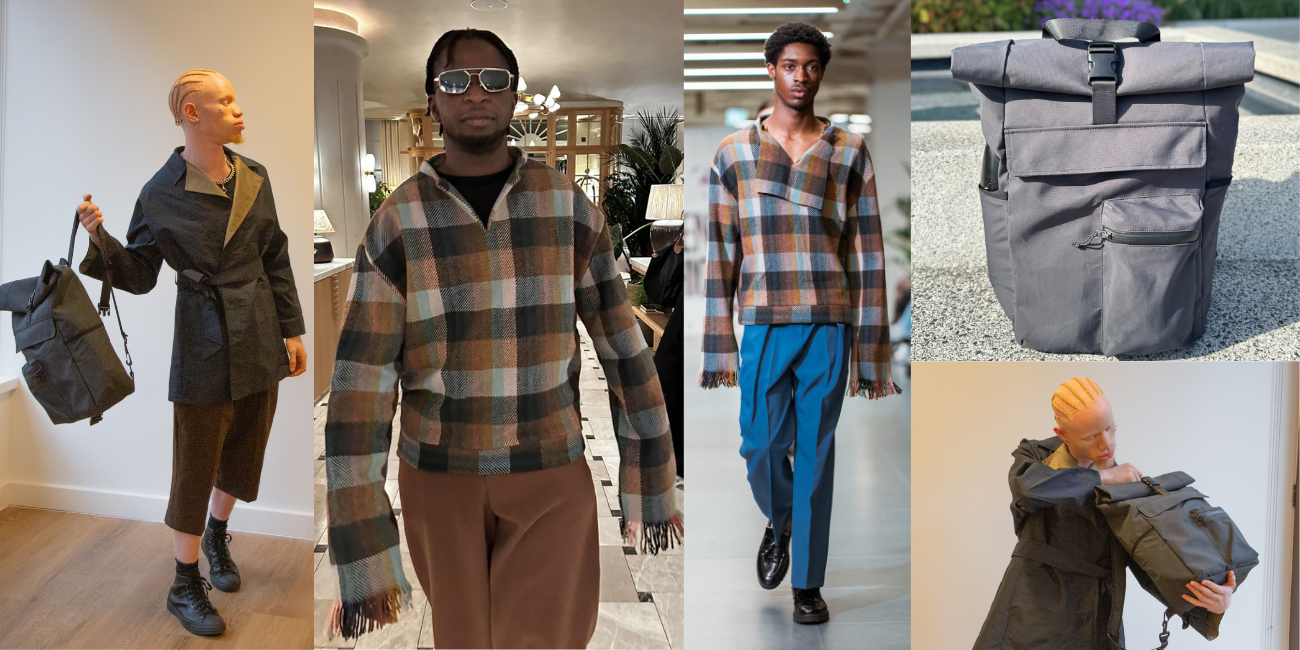
Consumers build emotional relationships with garments through silhouette, texture, proportion, construction, identity, and not sympathy. The most compelling upcycled garments emerging today understand this clearly. They do not aestheticise waste for effect, nor rely on sustainability language to compensate for weak design. Instead, they treat existing materials as creative constraints capable of producing something increasingly rare within mass luxury: individuality.
In many ways, upcycling now mirrors London itself: culturally hybrid, layered, slightly unresolved, yet difficult to replicate authentically at industrial scale. This matters because fashion’s obsession with pristine uniformity is beginning to fracture. The market is gradually shifting away from algorithmic minimalism towards garments carrying visible character, irregularity, and human intervention. Reworked garments naturally sit within that evolution. No two panels wear identically or age the same way, and that inconsistency is increasingly becoming luxury’s evidence of authenticity.
Sustainability does not exempt fashion from critique. Poor proportions remain poor proportions, and weak finishing remains weak finishing. The industry must become more honest, because not every reconstructed garment deserves cultural relevance simply because it avoided landfill. If upcycling is to become foundational to fashion’s future rather than remain editorial decoration, design standards must rise accordingly.
The commercial momentum already reflects this shift. PwC research indicates consumers are willing to spend an average of 9.7% more on sustainably produced or sourced goods, while McKinsey and Business of Fashion’s State of Fashion reports continue identifying circularity, craftsmanship, and product differentiation as growing strategic priorities across luxury. Simultaneously, the global circular fashion market is projected to expand significantly over the coming decade as regulation, resale infrastructure, and consumer behaviour increasingly reward longevity over disposability.
The future of circular fashion will be secured when reclaimed garments become objects people pursue for their design first and ethics second. Only then will upcycling stop asking for acceptance and start commanding desire.
Recent Posts
Upcycling Must Become Design, Not Sympathy

Public Service Announcement


EFWA Collaboration